Average Reviews:

(More customer reviews)Are you looking to buy Consuming Nature: Environmentalism in the Fox River Valley, 1850-1950? Here is the right place to find the great deals. we can offer discounts of up to 90% on Consuming Nature: Environmentalism in the Fox River Valley, 1850-1950. Check out the link below:
>> Click Here to See Compare Prices and Get the Best Offers
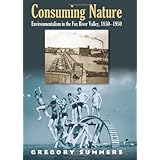
Consuming Nature: Environmentalism in the Fox River Valley, 1850-1950 ReviewConsuming Nature: Environmentalism In The Fox River Valley, 1850-1950 has an unusual dual nature - in one respect, it is a straightforward chronicle of the debate in Wisconsin's Fox River Valley more than fifty years ago, when the populace questioned and resisted the paper industry's heedless practice of dumping pollution into the Fox River. On a deeper level, Consuming Nature examines not only how this microcosm struggle, repeated in numerous areas elsewhere throughout the state and the nation, reflected not only the clash of economic industrial forces versus environmentalists, but also how it represented the growth of a consumer society. Consumers craved employment and products created by the paper industry, but consumers also craved the ability to enjoy recreation in Fox River, a privilege that excess pollution was about to destroy. At its core, Consuming Nature dares to advance the thesis that the modern environmental movement owes far more than most anyone would admit to the power and influence of consumer society.Consuming Nature: Environmentalism in the Fox River Valley, 1850-1950 OverviewEnvironmental debates often pit the protection of nature against economic growth. But as Gregory Summers reveals, environmentalism has unsuspected roots in consumerism that extend deeper than our present-day dilemmas. In Consuming Nature, he tells of an early confrontation that set the stage for Silent Spring, pushing the dawn of environmental politics back several decades. Summers takes readers to Wisconsin's Fox River Valley more than fifty years ago to recount how technological and economic progress contributed to residents' growing opposition to the industrial pollution of the river. On the one hand, there was the Wisconsin paper industry--long the largest employer in the area but also largely responsible for polluting the Fox River. On the other hand, there was the burgeoning demand for outdoor recreation among local residents, which put the river's recreational and aesthetic benefits on an equal footing with its industrial potential. As a result, many citizens felt that paper mills no longer deserved carte blanche to dump their waste.This shift from an industrial to consumer society eventually showed up in a small Green Bay courthouse. There attorneys for the Izaak Walton League confronted Adolph Kanneberg, a long-time conservationist now defending the paper industry, with charges that the Fox River had been defiled. But Summers ranges well beyond this courtroom battle. Drawing on prominent national figures, from Frederick Jackson Turner and Theodore Roosevelt to Joseph R. McCarthy, he shows how this local drama was playing on a much larger stage. Wisconsin's showdown over water quality, in fact, was being repeated throughout the country in similar disputes involving urban sprawl and the destruction of wilderness, as Americans struggled to balance their use of nature against the need to protect the environment.Summers tracks the widening separation between production and consumption over a hundred years, a transformation that helps to explain the polarized character of modern environmental politics. He reveals that the redefinition of nature upon which environmentalism relied was the product of the very forces it opposed, a dilemma whose origins lay in the unexpected connection between the efficient use of natural resources and the growing movement to value nature in its own right. In this way, Summers shows that modern environmentalism is among the most important legacies of a consumer society.Ultimately, by framing the human relationship to nature in terms of production and consumption, Summers fosters a better understanding of the philosophy of the modern environmental movement.
Want to learn more information about Consuming Nature: Environmentalism in the Fox River Valley, 1850-1950?
>> Click Here to See All Customer Reviews & Ratings Now

0 comments:
Post a Comment